
🌍 ImWater Delivers a New Compact Drinking Water Treatment Plant (10 m³/h) in Angola
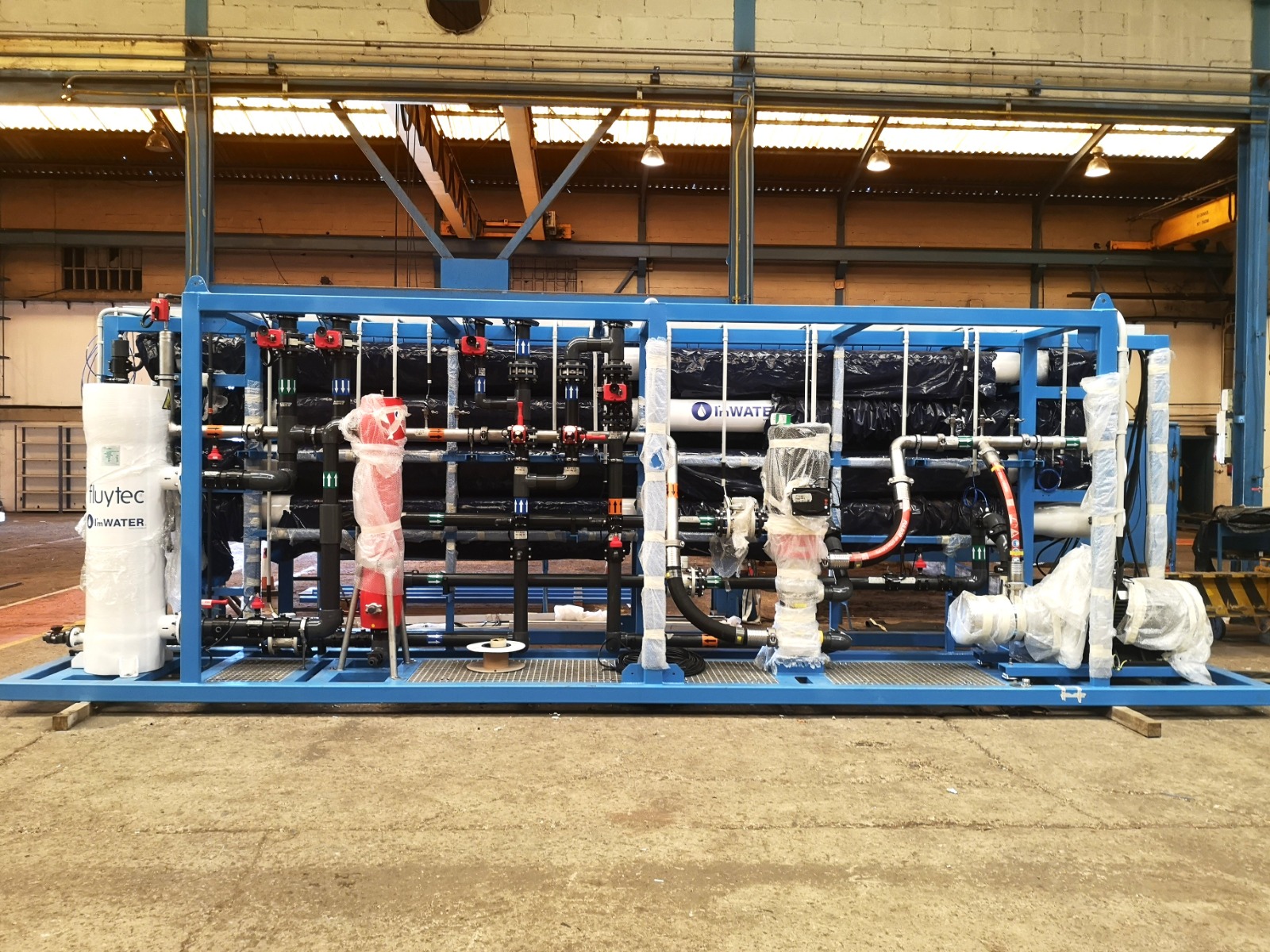
At ImWater, we continue to invest in real solutions that change lives. We have recently completed the manufacturing and delivery of a compact water treatment plant with a capacity of 10 m³/hour, designed to treat water from the Zenza River in an urban area of Angola, meeting the highest standards of quality and efficiency.
This project, developed for a Spanish engineering firm, is yet another example of ImWater’s commitment to universal access to safe drinking water, especially in areas where water infrastructure is limited or non-existent.
💧 Containerized Plug & Play Technology
The plant was fully designed, pre-installed, and tested at our facilities in Gijón (Spain), following our “plug & play” philosophy. This allows for faster, safer, and more efficient on-site installation, reducing both time and costs.
Key Features:
- Capacity: 10 m³/h (240 m³/day), ideal for supplying small communities.
- Water source: River intake (surface water).
- Treatment process: Coagulation, flocculation, lamella settling, filtration with silex/anthracite, and final disinfection.
- Installation: Housed in a 20 ft CSC shipping container, ready for transport and field operation.
- Control & Operation: Managed via Siemens PLC and HMI touchscreen, with remote control capability.
🛠 Key Technical Components
- On-site hypochlorite generator, eliminating the need to handle hazardous chemicals.
- Calpeda pumps, SEKO dosing systems, and high-efficiency media filtration.
- Advanced instrumentation: electromagnetic flow meters, pH and free chlorine sensors, automatic valves.
- Estimated total power consumption: 6.89 kW, optimized for renewable energy operation if desired.
🔧 Custom Manufacturing, Direct Impact
These modular water treatment plants provide a fast and effective response to real challenges in accessing clean water in rural or peri-urban areas of Africa and other water-stressed regions. Their impact is immediate:
- Improve public health.
- Reduce dependence on bottled or untreated water systems.
- Offer operational autonomy through training of local staff.