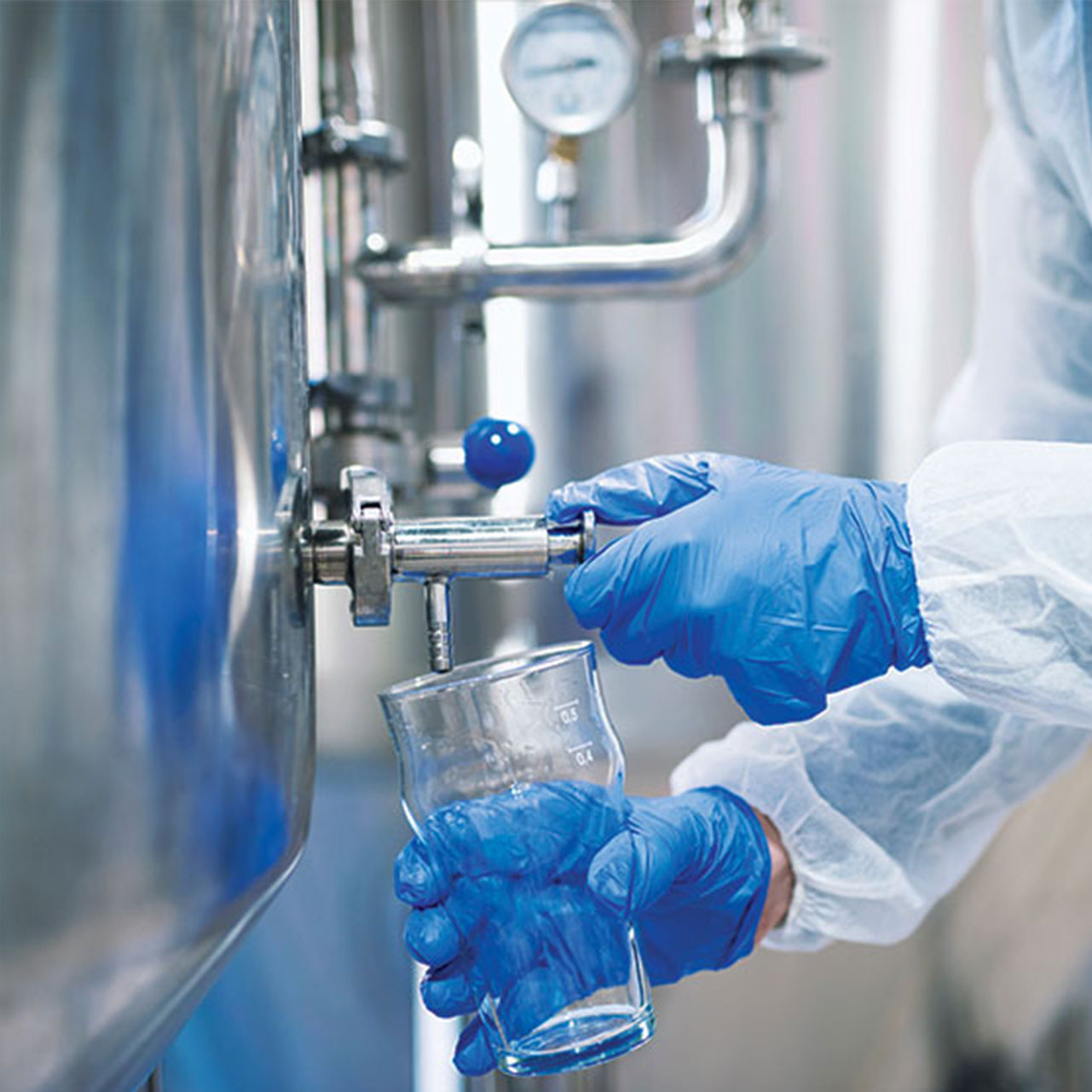
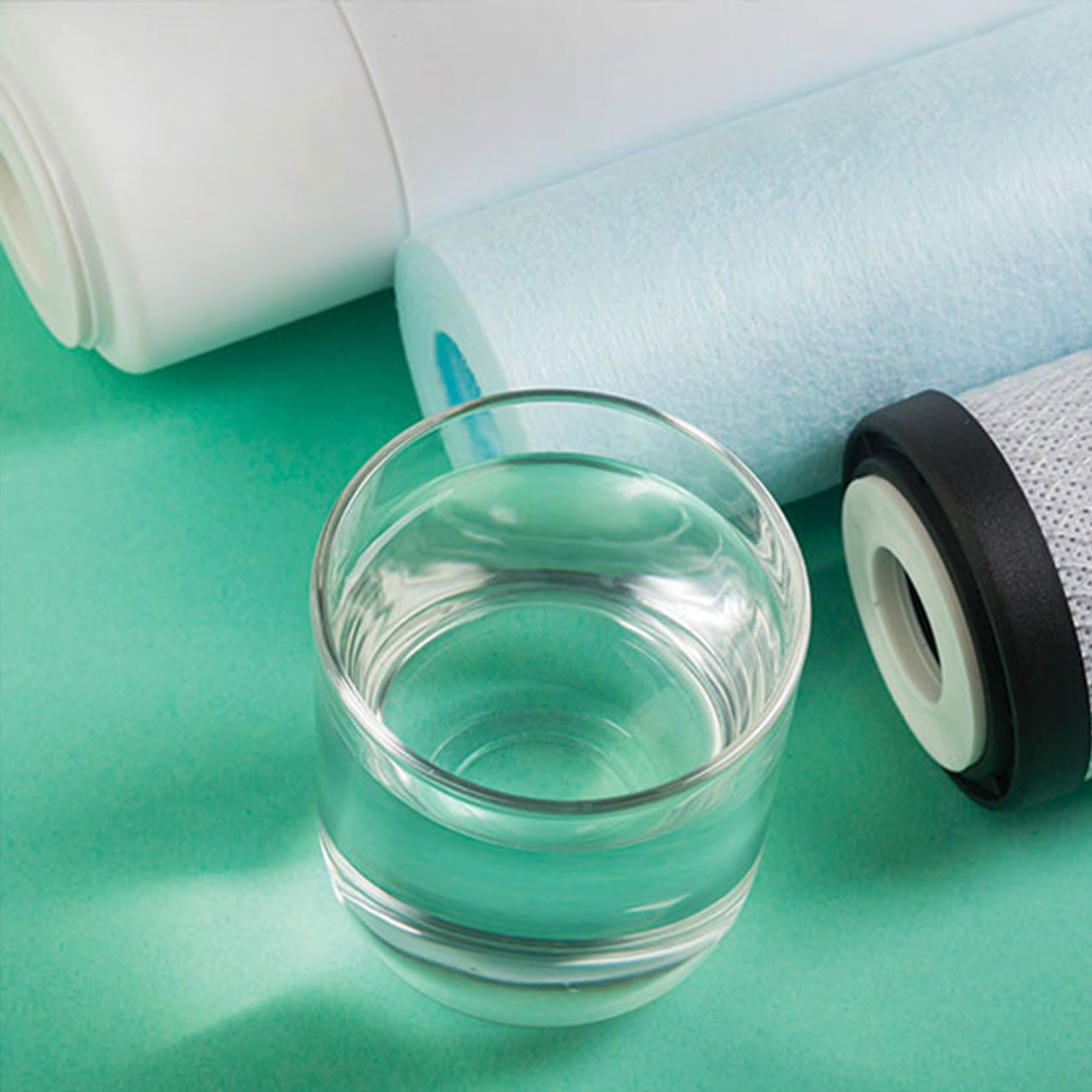
Production of high-quality water for industrial processes, wastewater treatment, product recovery, and seawater desalination:
Production of high-quality water for industrial processes: water purified by reverse osmosis can be used for food and beverage production, chemical and pharmaceutical manufacturing, energy production, cooling, among other applications.
Wastewater treatment: reverse osmosis can be used to treat industrial wastewater before discharging it into the environment.
Product recovery: reverse osmosis can be used to recover valuable products, such as metals and salts, from aqueous solutions.
Seawater desalination: reverse osmosis is one of the most effective technologies for seawater desalination, making it useful for producing potable water in coastal areas with freshwater scarcity. Reverse osmosis can remove up to 99% of the dissolved contaminants in water. These dissolved contaminants include minerals, salts, heavy metals, organic compounds, and other chemicals.
The lifespan of the semipermeable membranes used in reverse osmosis depends on several factors, such as the quality of the feedwater, water temperature, pressure, and the manufacturing quality of the membranes.
In general, semipermeable membranes have an average lifespan of 3 to 5 years, but they can last up to 10 years in some applications.
Water quality is a key factor affecting the lifespan of semipermeable membranes. Impurities in the water, such as hardness, dissolved solids, organic contaminants, and bacteria, can accumulate on the membranes and reduce their effectiveness over time. Therefore, it is important to properly treat the water before feeding it into the reverse osmosis system.
Water temperature can also affect the lifespan of semipermeable membranes. High temperatures can damage the membranes and reduce their lifespan. It is important to maintain the water temperature within an optimal range to prevent damage to the membranes.
Water pressure is also an important factor affecting the lifespan of semipermeable membranes. Excessively high pressure can damage the membranes, while too low pressure can reduce their effectiveness. It is important to maintain the water pressure within an optimal range to ensure the best performance of the membranes.
Important factors to consider in desalination and energy efficiency optimization:
- Proper selection of the semipermeable membrane: selecting a membrane with the right permeability and resistance can reduce the amount of energy required to push water through the membrane.
- Optimization of pressure: optimizing the water pressure in the system can minimize the energy required for the process. Selecting the correct pressure can also improve the lifespan of the membranes.
- Energy recovery: energy recovery is a process that allows part of the energy used in the reverse osmosis process to be recovered. An example of this is the use of an energy recovery pump, which utilizes the energy from the reject water stream to drive the feedwater.
- Control and monitoring: controlling and monitoring the reverse osmosis system can help detect and correct any issues that may affect the energy efficiency of the process.
Easy installation and maintenance
I´mWATER desalination systems are containerized, compact, and modular, making their maintenance very simple.
Only a daily inspection is required. Our plants include operation and maintenance manuals, as well as explanatory videos of the different tasks to be carried out for proper plant maintenance.